

A revolution is happening among mid-career creatives.
Lately, I’ve been meeting people from very different worlds (design, gaming, film, even finance) and many of them are rewriting their careers in real time.
To me that doesn’t feel random… it feels like a real signal.
These are people who’ve realized their moment has arrived. AI is giving them the leverage to build studios, brands, and startups that simply weren’t possible before.
What’s striking is how much they have in common.
1- They’re often between 40 and 50. Hands-on leaders. The head of design who built a global team from scratch. The IP lead who turned early ideas into cultural hits across markets. The creative director who led complex campaigns for big demanding clients, again and again. People who have made real decisions with real consequences.
2- They want to build something meaningful with a small, agile team.
3- They understand technology, but they don’t worship it. They know the tool isn’t the point. The tool is the amplifier.
4- They’re endlessly curious. They reach out just to talk, to exchange ideas. “Can I pick your brain?” they ask.
5- Many of them are also outsiders and multicultural: immigrants, partners of immigrants, or simply people used to living between worlds. Maybe that’s why they can sense the new world forming faster than others.
To me, this looks like the next creative class: experienced enough to build, humble enough to learn, and seasoned enough to ignore the hype and cut through the BS.
They were built for the AI era.
For years, tech culture has pushed the idea that every major technological shift belongs to the young. But in design, entertainment, gaming, and media, I really don’t think that will hold. Not in industries where taste matters. Not in industries where one decision can cost millions.
So what are these people going to build? My guess: the next generation of agile studios, new creative companies, and mission-driven brands.
And the reason is simple: AI changes the economics of building. It collapses budgets, timelines, deliverables, and even distribution. That gives small, experienced teams the ability to move faster, communicate vision earlier, and produce at a level that used to require much larger organizations.
That’s why these people are so well positioned for this shift: they have the taste, judgment, and experience to leave behind slow processes and tired creative formulas, and build leaner, bolder, more culturally resonant businesses from the ground up.
Maybe they’re not late at all. Maybe this is exactly their moment.
That’s for now!
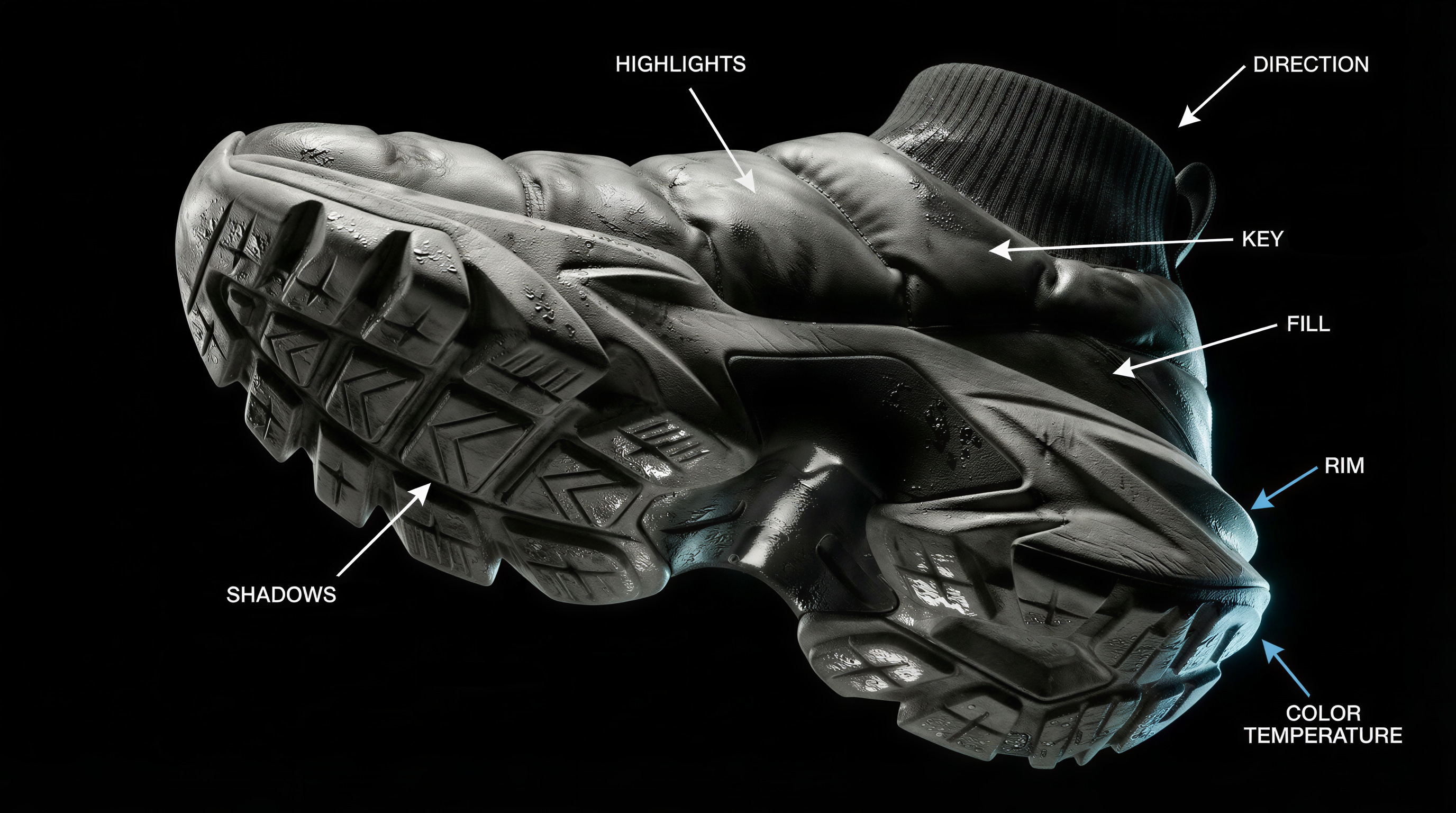
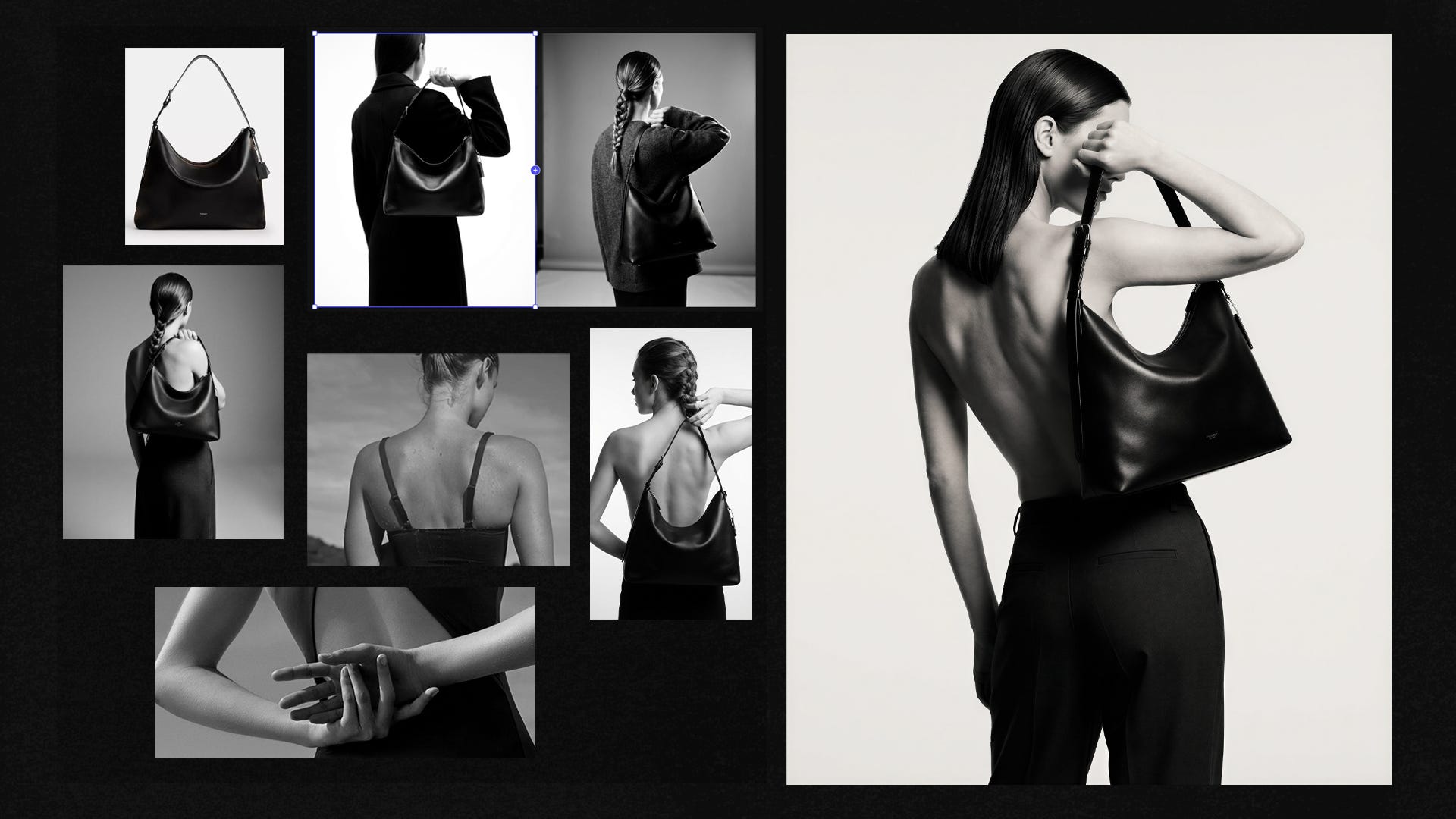
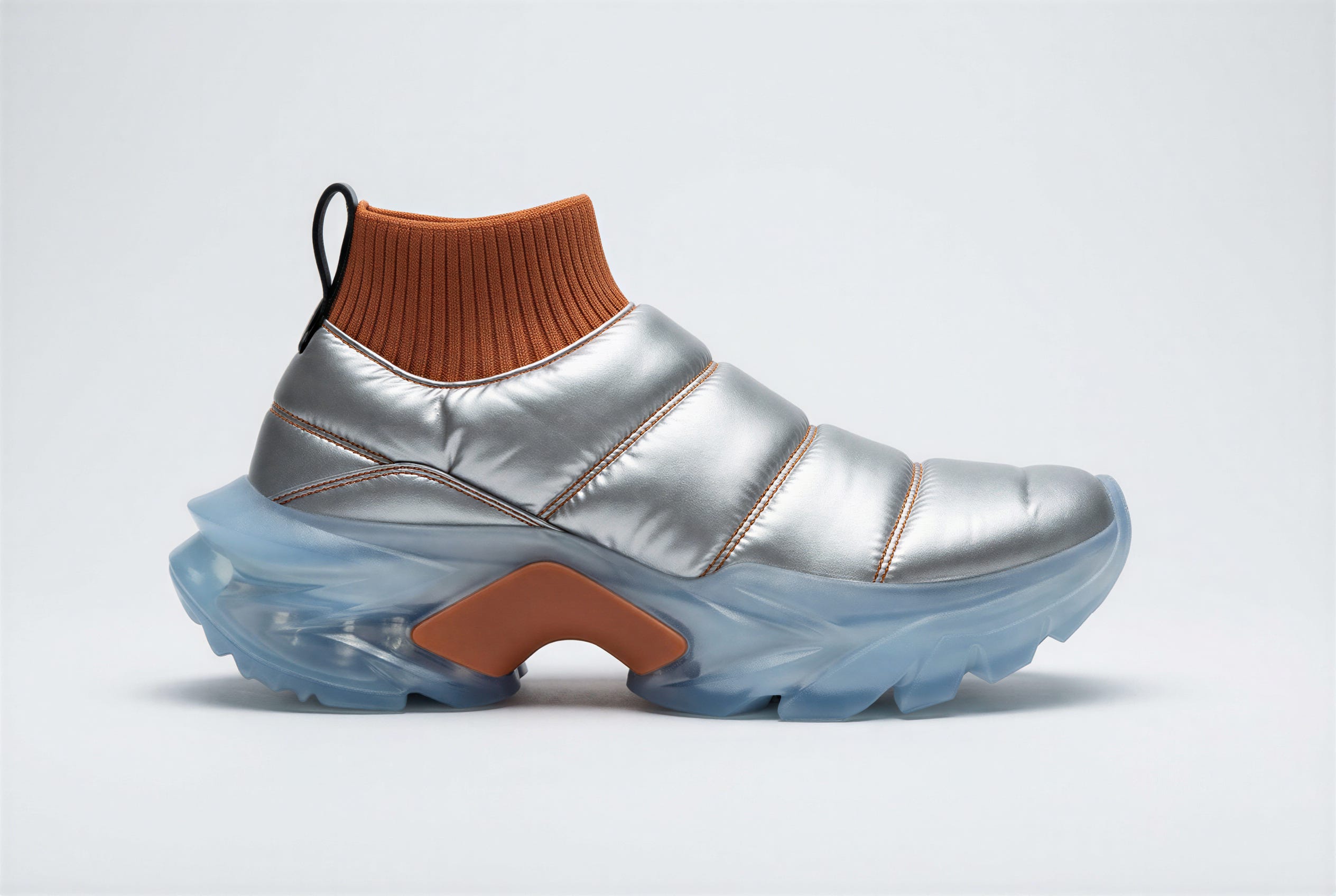
Have you seen my first case study video yet? More than 200 people saved it on LinkedIn, and a lot of you sent really warm messages after. That meant a lot to me. I’m working on the second one now. What began as a few tests with friends and some early renders (images below) is becoming a deeper exploration of where our work is going… and how vision becomes a product.


Someone might benefit from this e-mail. Forward this to them and tell them to subscribe to this weirdly rare free newsletter.
Talk soon,
Reza Bird