

I spent the last three years working inside AI development, watching these tools get built from the inside. I've been sharing daily thoughts on LinkedIn, but I mostly kept my deeper experiments to myself. I loved AI so much I didn't want to be part of its hype. But I kept getting requests to share my actual workflows. So here we go. This is a case study video on how I work with AI.
This is a one-of-a-kind workflow… or maybe I should say, it goes beyond workflow. It’s about teaching you how to think with AI… and how to fish with AI!!
With this case study, I’m also announcing the launch of my YouTube channel. I'm planning to produce stories around AI that you won't find anywhere else… not the 'comment X to get my workflow' content, but something that real creative people can actually learn from and build on.
Here is the video, but for those who want more context, please keep reading.
Today Google released Nano Banana 2, something a lot of us have been waiting for. Why does it matter? Since November 2025, after the original Nano Banana release, we entered a new phase in AI image-making where you could actually partner with the model in both reasoning and creation. Around the same time at Vizcom, we were making Modify smarter.
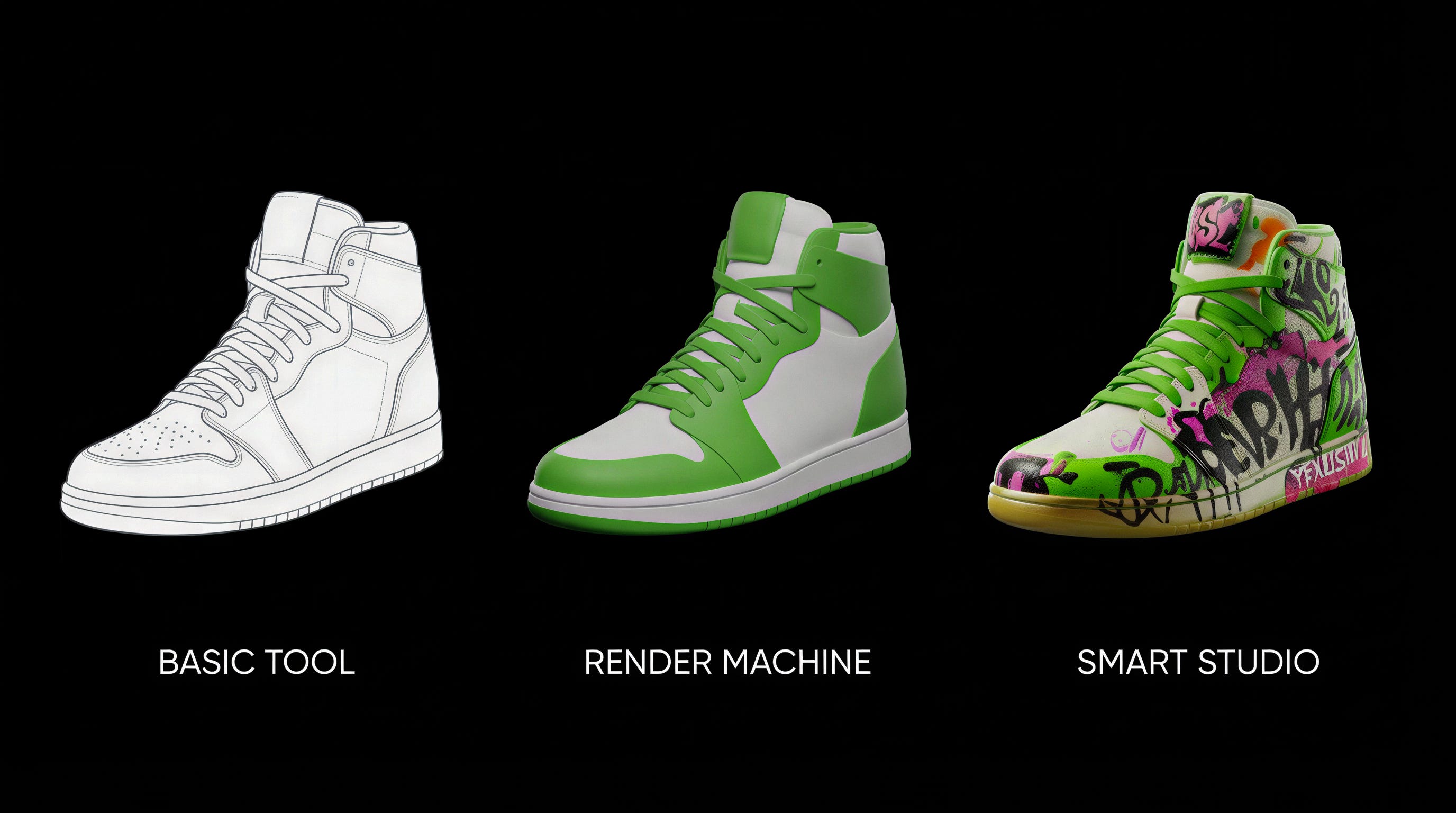
What do I mean by smarter? Reasoning became part of the architecture. As models got smaller and smarter, these focused tools stopped being pure generation engines and started becoming editing and reasoning tools.
You could bring an existing image, describe what you wanted changed, and the model would understand context, maintain consistency, and execute with precision. Not just “generate something new” — but “understand what’s here and work with it.”
Then one experiment showed me the real potential.
I got the machine to produce conceptual work that was genuinely aligned with the DNA of my series Bad Design. Not a remix, and not a stylistic copy. The model actually understood the concept. That was the first time I thought: ha!!! we’re actually moving toward working with AI as a thinking partner, not just a tool. It’s not quite there yet … but this is the future.
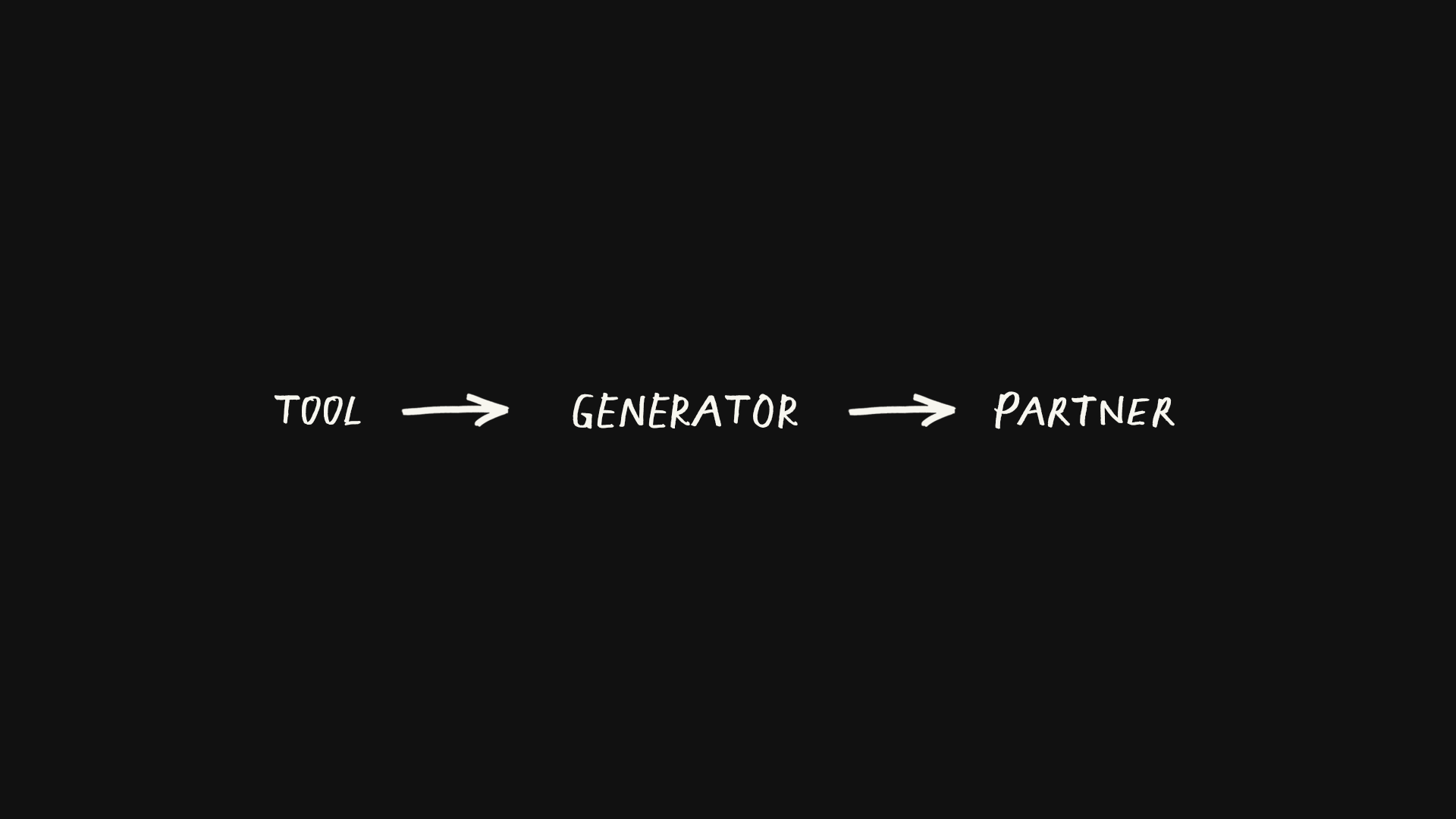
So I built this case study around that experiment. A real breakdown of how directing a machine is different from just prompting one.
I hope this gives you something useful. Forward it to anyone who might need a spark. And follow me on LinkedIn for daily thoughts on AI and creative work.
Thanks!
Reza Bird